
Digital marketing keeps evolving fast, and brands that understand where it’s headed can make smarter decisions, build deeper connections with audiences, and get better returns on marketing investment. This guide walks you through the major digital marketing trends expected to shape 2026 – from advanced AI systems to how brands collect and use data, create content, and win trust.
1. AI-Driven Marketing: Not Just Tools, but Strategic Partners
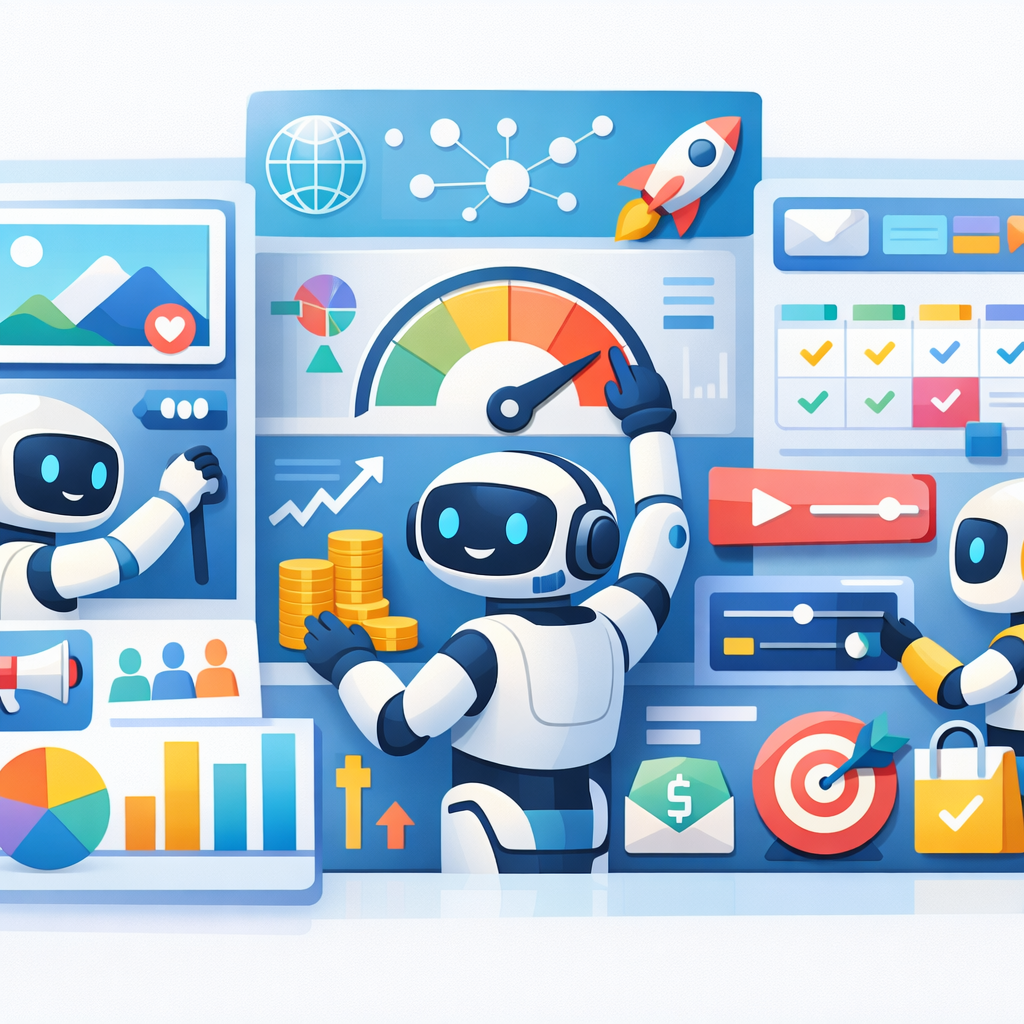
Artificial intelligence (AI) continues to change how marketing works. In 2026, AI isn’t just something you use to generate copy or automate tasks. Leading brands will use AI-native marketing systems that help plan campaigns, personalise experiences, and even make decisions in real time.
AI tools are improving content creation, ad optimisation, predictive analytics, and campaign testing. Instead of manual workflows, AI now supports tasks such as segmenting audiences, suggesting creative variants, and adjusting budgets based on performance — all with minimal human intervention.
Did you know?
A recent trend analysis shows that top marketers in 2026 are moving toward “autonomous agents” — AI systems that help manage entire campaigns, not just assist with small tasks.
2. SEO and Search Optimisation: Expect Conversational and AI-Driven Discovery
Search is no longer just keywords on a page. Advances like AI-powered search engines and platforms that summarise answers directly to users are reshaping how people find information.
By 2026, two aspects are particularly important:
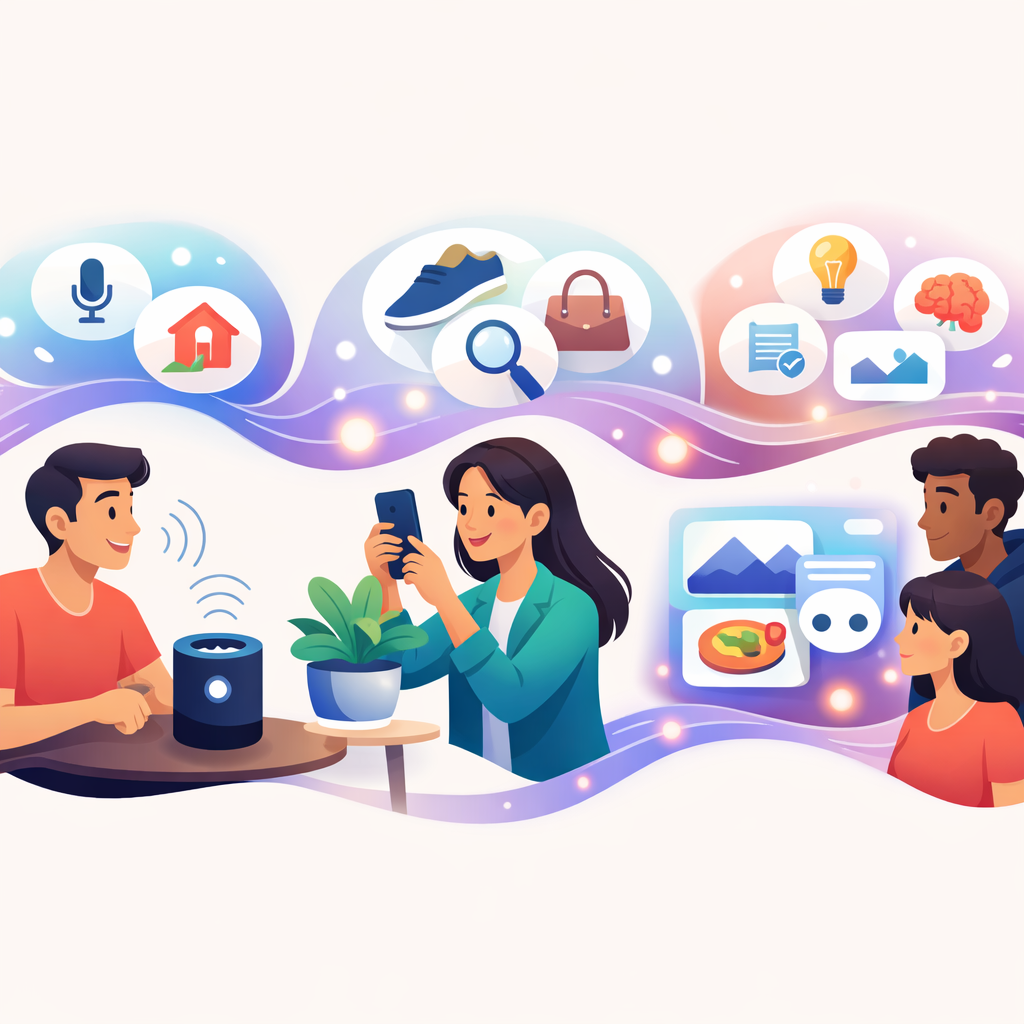
Voice & Visual Search: More people use voice queries on smart devices and image-based search tools to find products or solutions. This means brands should optimise content for conversational queries and relevant imagery.
Answer Engine Optimisation (AEO) & Structured Content: With generative AI influencing search results, structuring content so it’s easy for AI to read and summarise — using FAQs, clear headers, and schema markup — becomes essential.
Did you know?
SEO in 2026 isn’t just about ranking — it’s about being discoverable in AI-powered environments where users often get answers without clicking a link.
3. Personalisation That Goes Beyond “Using a Name in an Email”
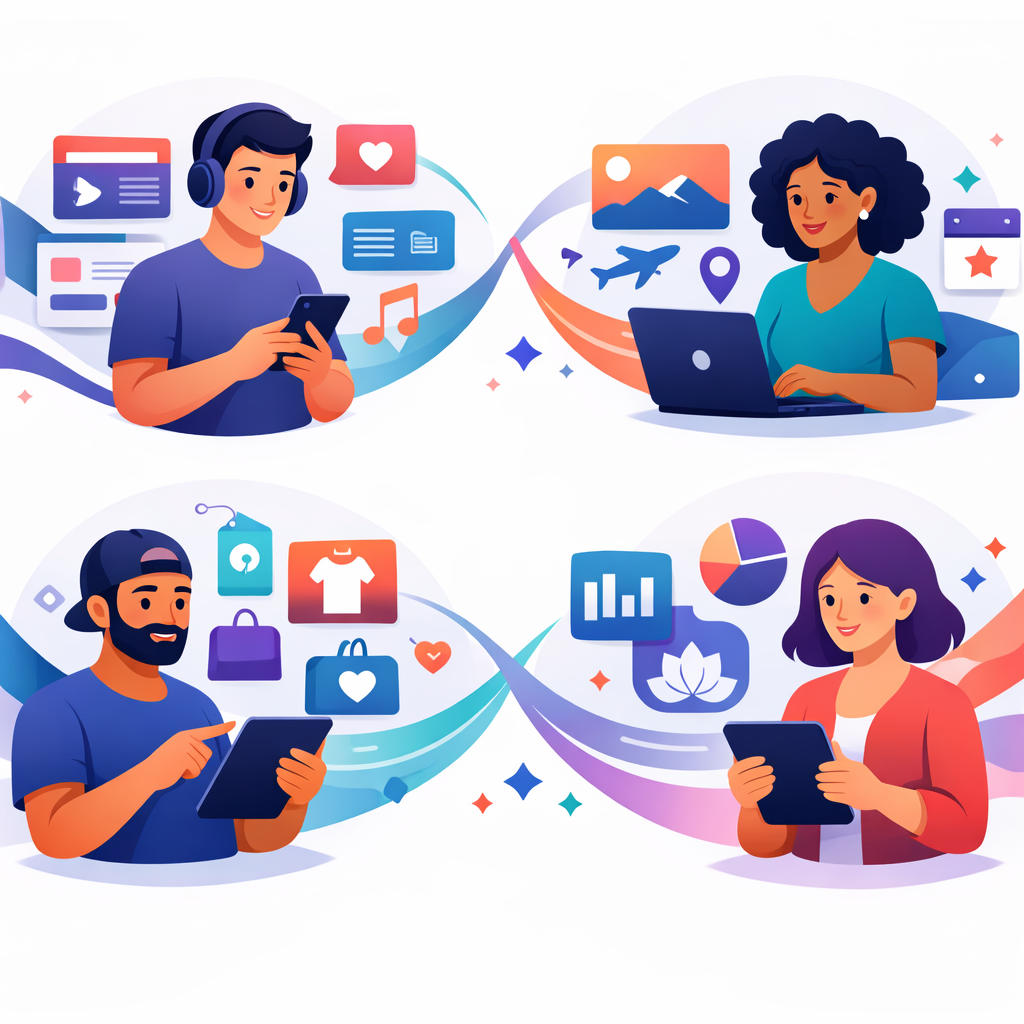
Personalisation is now expected — but in 2026, it’s about deeply tailored experiences. Marketers will use data and predictive analytics to serve content, product recommendations, and offers that feel custom-built for each user.
This level of personalisation is powered by AI and first-party data systems. With machine learning, brands can predict what a user might want next and present it in the right context, whether on websites, ads, or emails.
4. Privacy-First Marketing and First-Party Data as a Core Asset
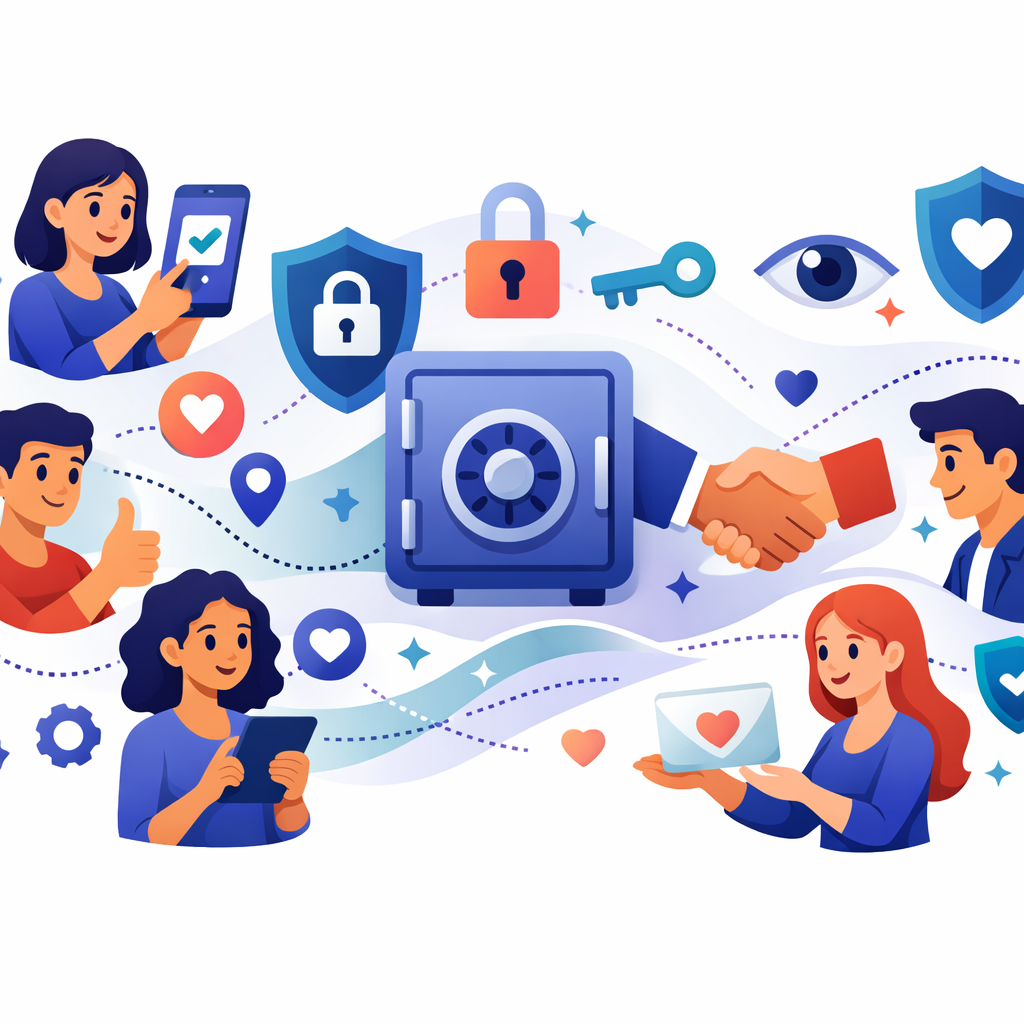
Third-party cookies are effectively gone. This shift makes first-party data — information you collect directly from your audience with consent — far more important.
Brands are increasingly asking users to opt in for emails, loyalty programs, or SMS so they can gather meaningful data that helps segment audiences and personalise messaging.
Customer trust matters more than ever. Transparent data practices, clear privacy policies, and respectful data use are essential. This approach brands now call privacy-first marketing.
Did you know?
Marketers in 2026 will treat consent-based data as a strategic asset because it enables smarter targeting while respecting user privacy.
5. Short-Form and Shoppable Video Content
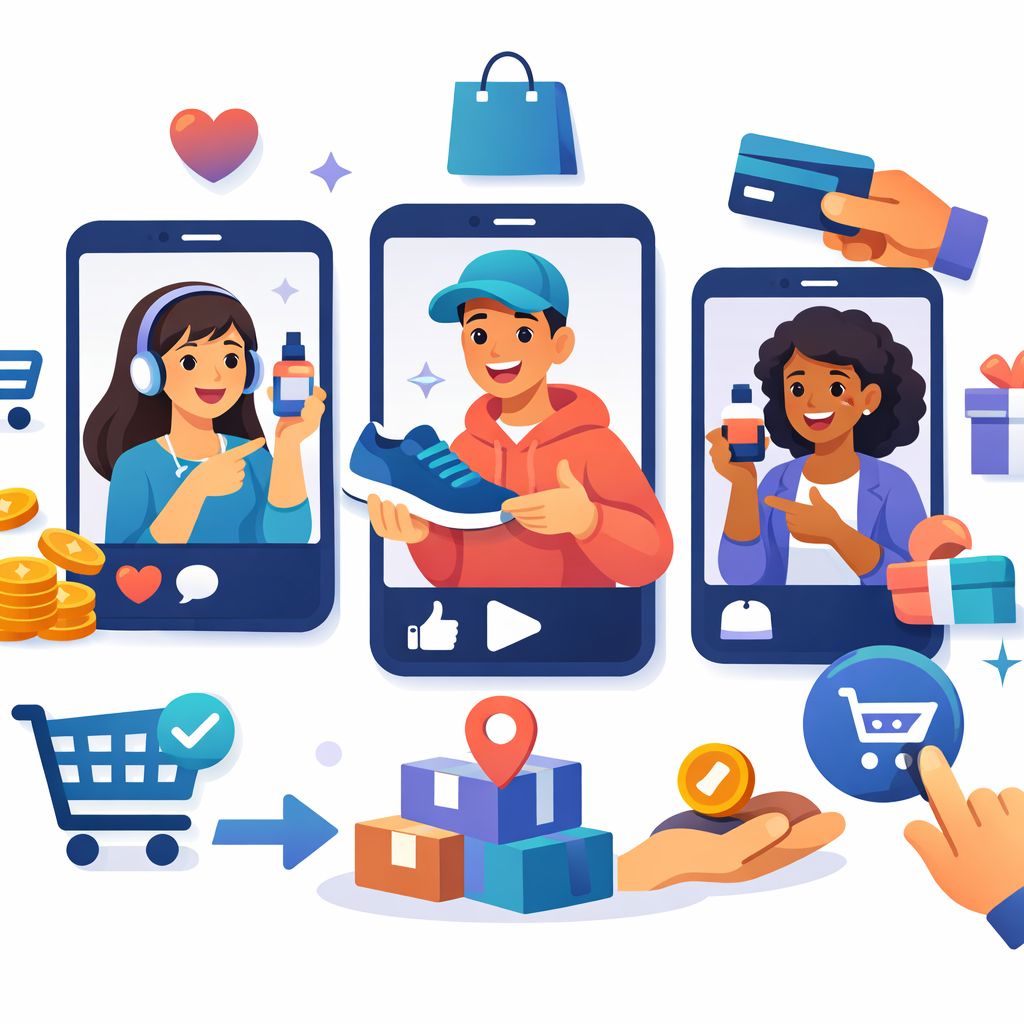
Video continues to grow, but in 2026, the emphasis is on short, engaging and commerce-focused formats. Platforms like TikTok, Instagram Reels, and YouTube Shorts are where people spend a lot of time — and where brands are increasingly driving purchases.
These formats aren’t just for brand awareness. Interactive video (with buy buttons or product tags) means people can go from watching to buying without ever leaving the platform.
For educational or storytelling content, short video works best when it’s value-driven and tailored to audience behaviour.
6. Social Commerce Continues Growth
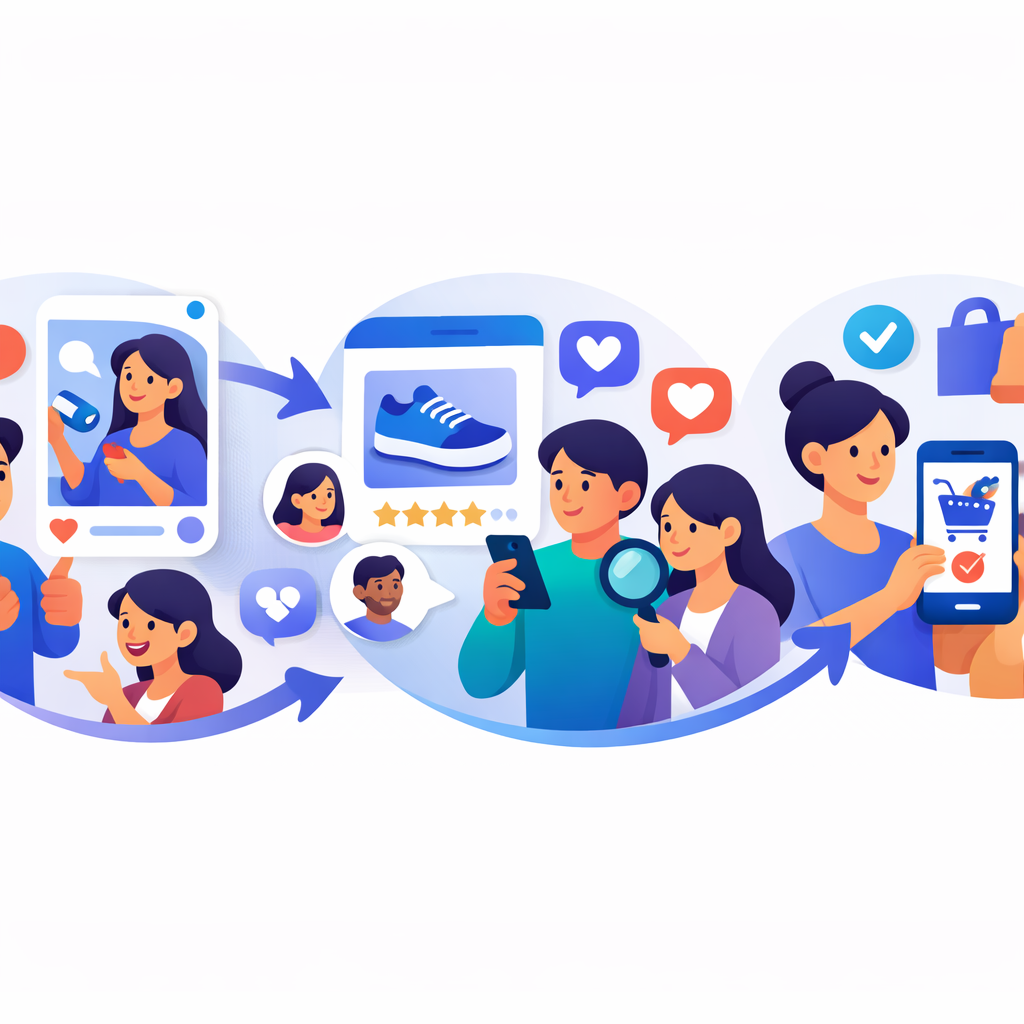
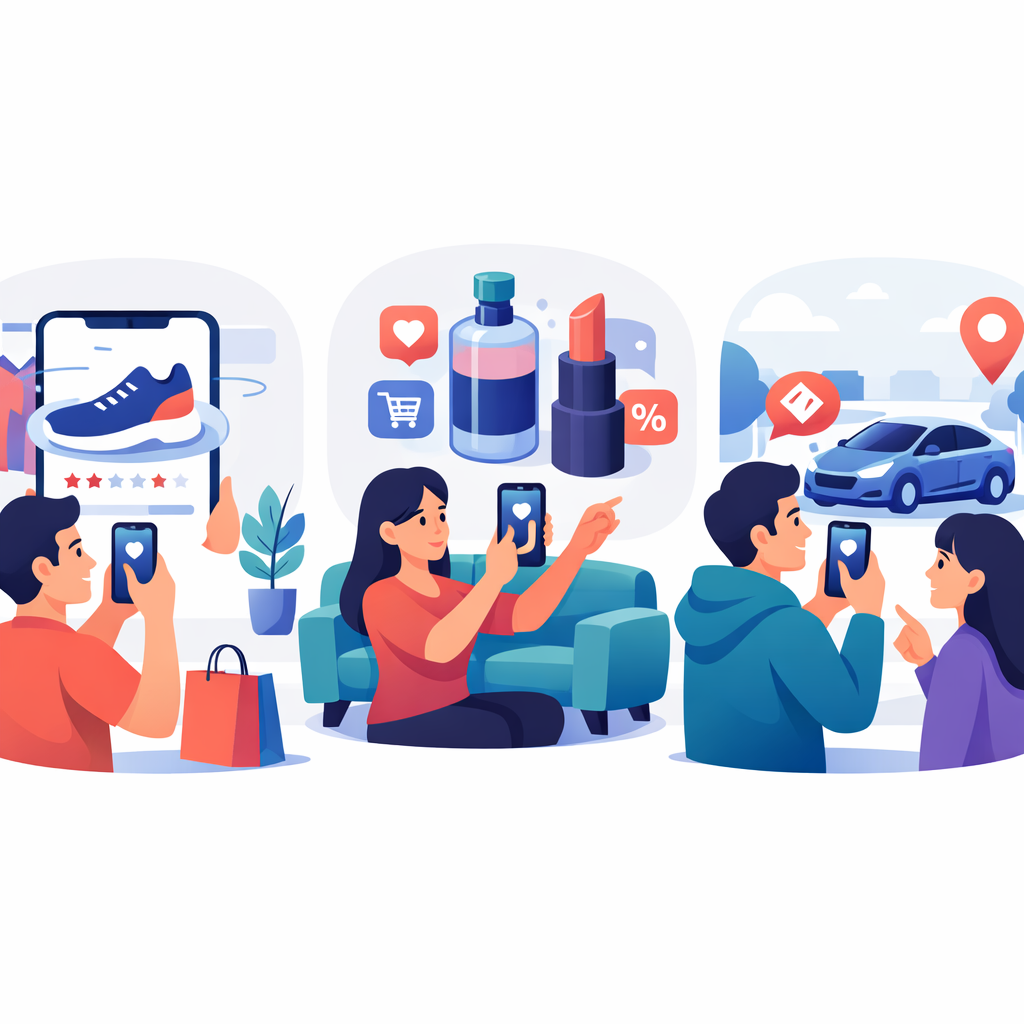
Social media platforms are no longer just places to promote products — they are full commerce ecosystems. Users can discover, evaluate, and buy products all within apps.
Features like in-video shopping, AR try-ons, and dynamic product recommendations make the purchase journey quicker and more seamless.
This trend blends engagement with transactions, so marketers must think of social media as both a community space and a sales channel.
Did you know?
Social commerce is growing faster than traditional eCommerce conversions, with more users completing purchases without leaving social apps.
7. Micro-Influencers and User-Generated Content for Trust and Authenticity
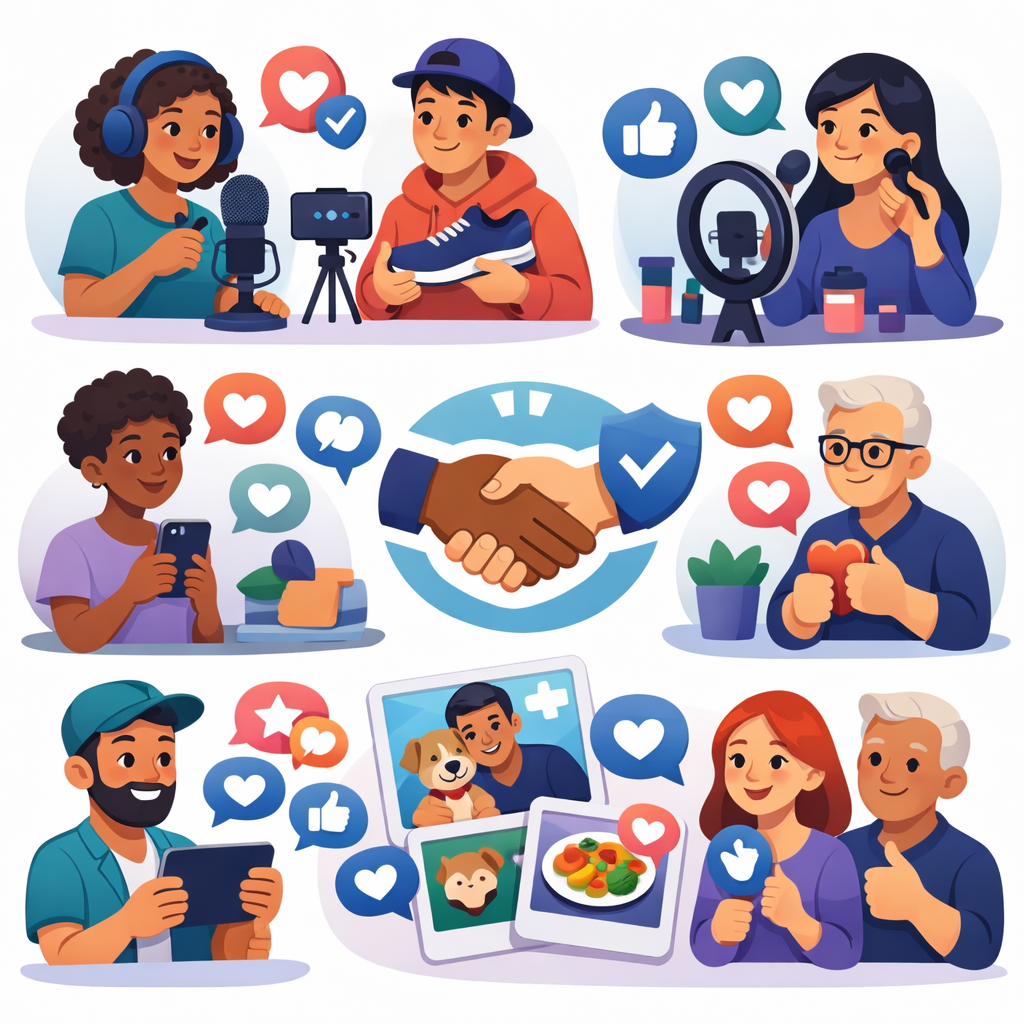
Influencer marketing continues to evolve. Big celebrity influencers still matter, but micro- and nano-influencers who speak to niche audiences see higher engagement and trust.
User-generated content (UGC) is another rich source of authentic brand storytelling. Real customers creating videos, reviews, or photos build credibility — and audiences trust these voices more than polished ads.
Influencer content often outperforms traditional advertising in engagement, making these collaborations a valuable part of 2026 strategies.
8. Omnichannel Marketing and Cohesive Journeys
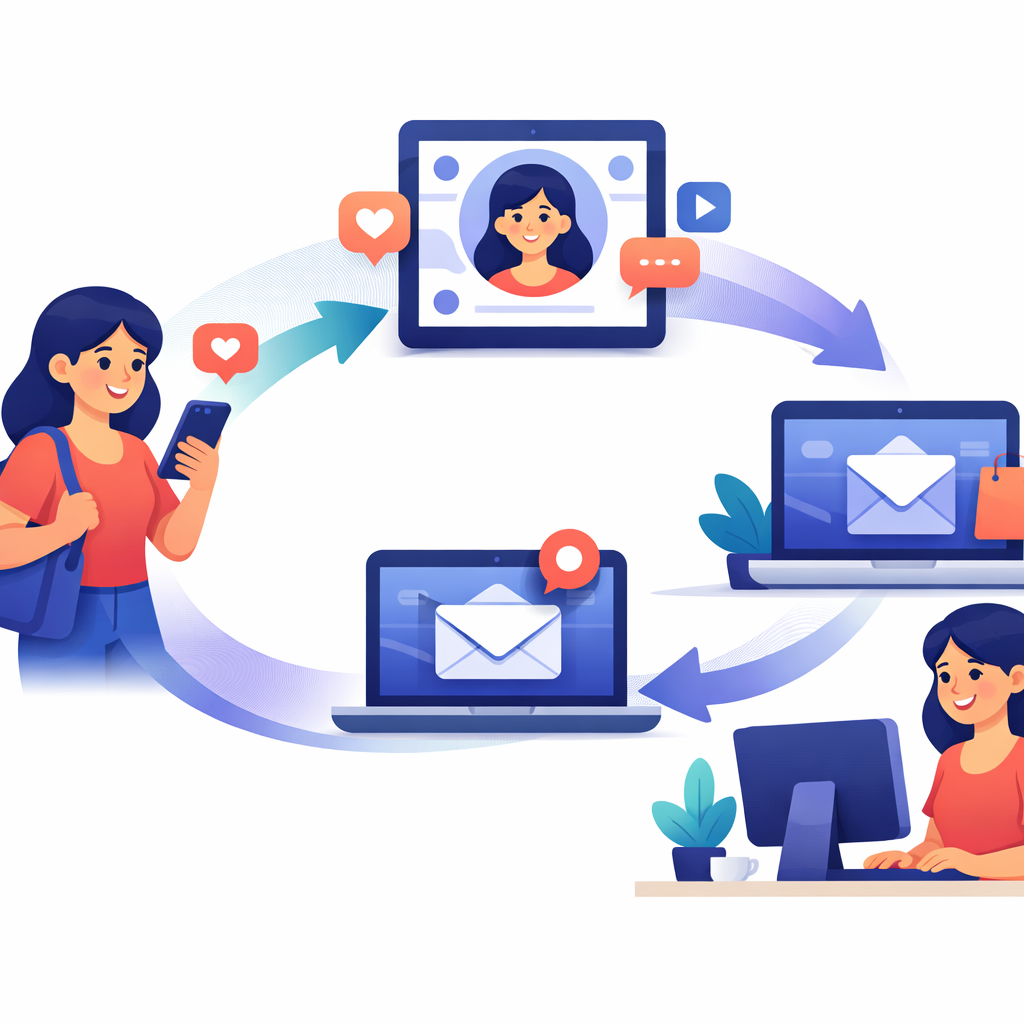
Customers interact with brands across many touchpoints: social media, email, search, websites, in-app experiences, and more. Omnichannel marketing means these touchpoints feel part of a consistent journey.
Automation helps coordinate messages across channels so audiences get the right message, at the right time, on the right platform.
This is more than having multiple channels — it’s about integrating data, content, and timing so people see a seamless brand experience everywhere.
9. Immersive and Augmented Reality Experiences
Augmented reality (AR) is no longer futuristic — it’s practical. Brands use AR for virtual try-ons, interactive product experiences, and enhanced storytelling.
These experiences help reduce uncertainty, especially in online shopping, and boost conversion rates by letting users try before they buy.
Interaction through AR doesn’t need expensive hardware — simple AR filters on social platforms make products feel more real and engaging.
10. Ethical, Transparent and Sustainable Messaging
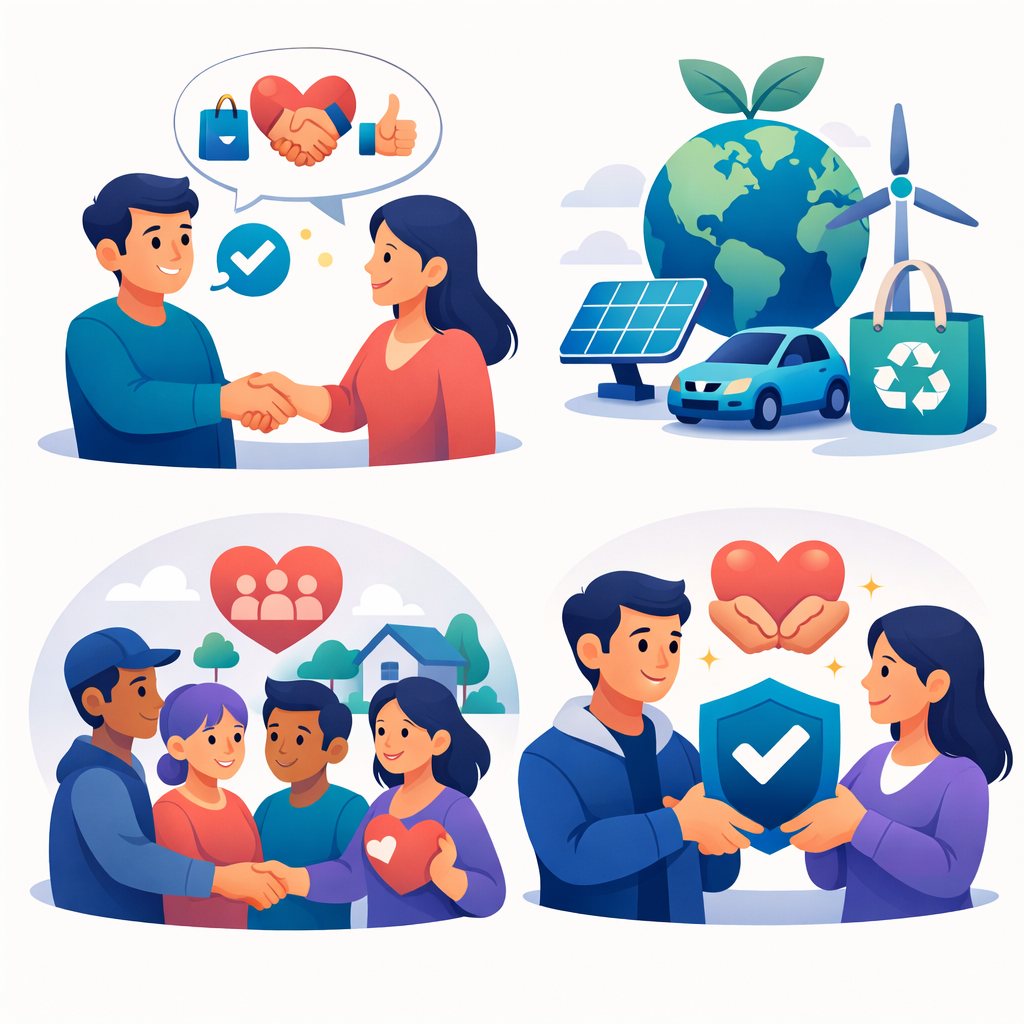
Consumers care about values. They trust brands that communicate honestly, stand for something, and act ethically.
Sustainability isn’t a marketing keyword — it’s a business direction. Brands that align their practices, supply chains, and messaging with sustainability principles build deeper loyalty and trust.
Did you know?
Ethical marketing — including sustainability, honest data practices, and transparency — is now linked to stronger brand preference among discerning buyers.
Conclusion: How Brands Can Stay Ahead in 2026
2026 will reward brands that adapt quickly, invest in smart technology, and put customers — not just campaigns — at the centre of strategy.
Key actions to take now:
- Embrace AI strategically, not just tactically.
- Build customer data systems that respect privacy and consent.
- Optimise for modern search behaviours — voice, visual, and AI summaries.
- Think of social platforms as commerce hubs.
- Partner with authentic creators and encourage user-generated content.
- Make sustainability and ethical communication a core part of brand identity.
These trends aren’t just buzzwords — they reflect real changes in how people behave, search, shop, and interact with brands. By staying informed and ready to evolve, your brand can lead its category in 2026 and beyond.
Sharing is caring!